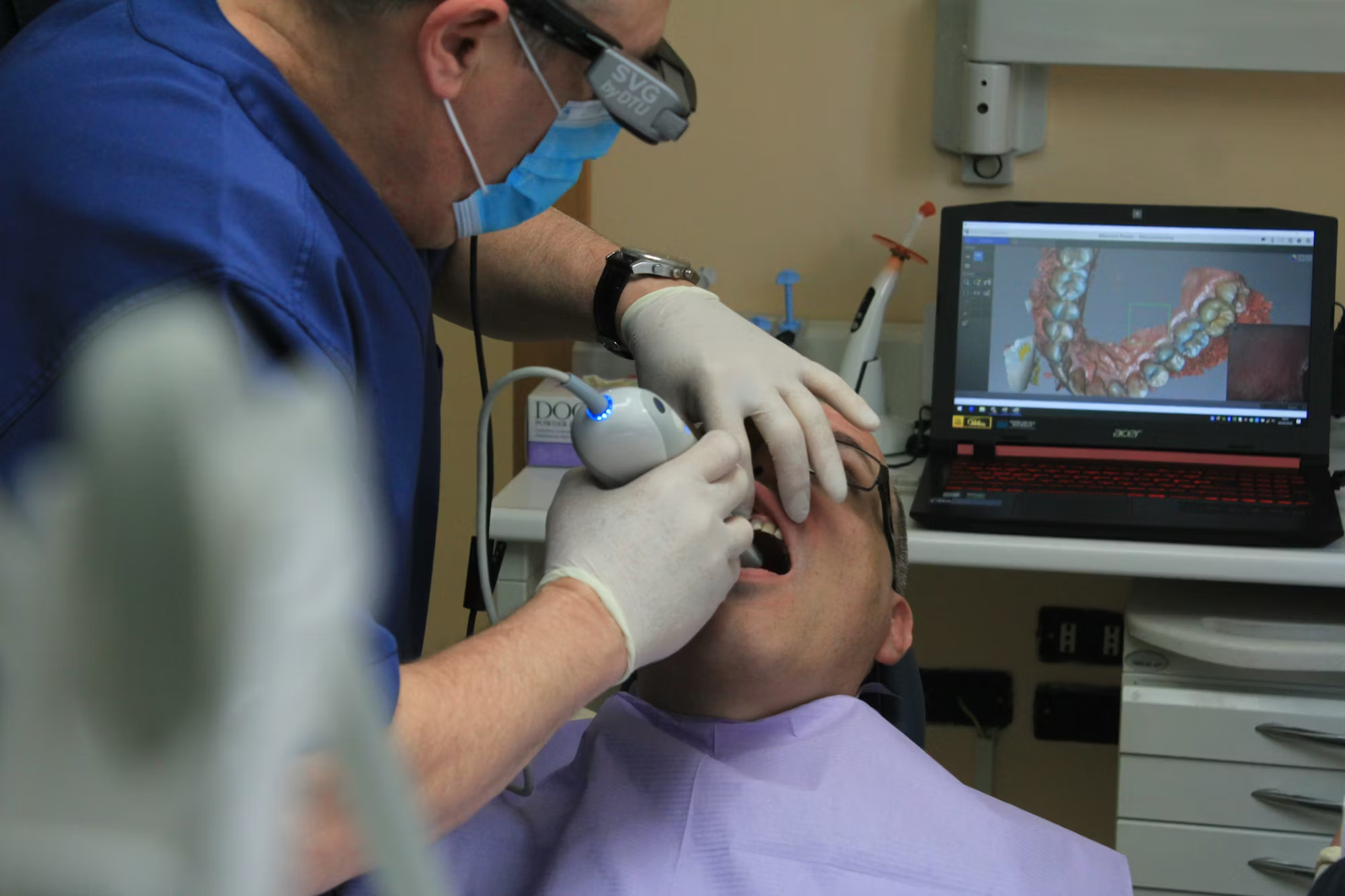
In an increasingly complex healthcare landscape, understanding the different types of health clinics available is essential for individuals seeking quality care. Each type of clinic serves a unique purpose, offering specialized services that cater to the diverse needs of patients. This article aims to explore the various health clinics, emphasizing their roles in promoting community wellness and facilitating better health outcomes. General medical clinics serve as the cornerstone of healthcare for many individuals. These facilities provide a wide array of services, including routine check-ups, preventive screenings, vaccinations, and management of minor illnesses. Establishing a rapport with a primary care provider at a general clinic fosters trust and continuity, allowing for personalized care that evolves with the patient’s needs. Regular visits to these clinics not only help in early detection of health issues but also empower patients to take charge of their health through preventive measures and lifestyle modifications. As healthcare becomes more specialized, various clinics have emerged to address specific health concerns. Dental Clinics are a vital part of healthcare, focusing on oral health. These clinics offer services such as cleanings, fillings, and preventive care, all essential for maintaining good dental hygiene. Regular dental check-ups are crucial for early detection of potential problems, allowing for timely intervention. Furthermore, the connection between oral health and overall health underscores the importance of regular visits to dental clinics, as many systemic conditions can be linked to oral issues. Orthopedic Clinics specialize in musculoskeletal health, focusing on the diagnosis and treatment of conditions related to bones, joints, and muscles. These clinics utilize advanced diagnostic tools and therapies to help patients recover from injuries and manage chronic pain. Whether it’s a sports injury or arthritis, orthopedic clinics provide tailored treatment plans that enhance mobility and improve quality of life. With a focus on rehabilitation and prevention, these clinics play a critical role in keeping individuals active and healthy. Cardiology Clinics focus on heart health, providing comprehensive evaluations, diagnostic tests, and management for various cardiovascular conditions. Through education and preventive care, cardiology clinics help patients understand the importance of heart health and the lifestyle changes necessary to maintain it. Regular check-ups in these clinics can lead to early identification of potential issues, allowing for proactive management that promotes long-term heart health. Eye care is another critical area of health, and Ophthalmology Clinics specialize in providing comprehensive services related to vision. These clinics conduct eye examinations, diagnose various conditions, and perform necessary treatments, including surgical interventions. As digital devices become an integral part of daily life, regular eye exams are more important than ever to ensure optimal vision and eye health. Early detection and treatment of vision-related issues can significantly improve an individual’s quality of life. Dermatology Clinics address skin health, offering a variety of services to treat conditions ranging from acne to cosmetic concerns. These clinics not only focus on medical dermatology but also provide aesthetic treatments that enhance skin appearance. By educating patients about proper skincare and lifestyle choices, dermatology clinics empower individuals to take control of their skin health, which can positively impact self-esteem and overall well-being. Mental health is equally vital, and Psychiatric Clinics offer specialized support for individuals experiencing emotional and psychological challenges. These clinics provide therapy, counseling, and medication management in a safe and confidential environment. By prioritizing mental health, psychiatric clinics help individuals develop coping strategies and resilience, ultimately leading to improved emotional well-being and a better quality of life. For immediate health needs, Urgent Care Clinics serve as a convenient option for non-life-threatening conditions. These clinics provide timely care for minor illnesses and injuries, often with extended hours to accommodate patients’ schedules. Urgent care clinics play a crucial role in alleviating pressure on emergency rooms by offering accessible healthcare solutions for situations that require prompt attention but are not life-threatening. Women’s Health Clinics focus on the specific health needs of women, offering a range of services from gynecological exams to family planning and reproductive health support. By addressing these unique health concerns, these clinics empower women to take control of their health throughout various life stages. Education and preventive care provided by women’s health clinics foster informed decision-making, which is essential for maintaining long-term wellness. Rehabilitation Clinics are vital for individuals recovering from injuries or surgeries, offering specialized programs designed to restore functionality and improve quality of life. These clinics provide a variety of rehabilitative services, including physical therapy and occupational therapy, tailored to the unique needs of each patient. By focusing on recovery and rehabilitation, these clinics help individuals regain strength and mobility, allowing them to return to their daily activities with confidence. As international travel becomes more common, Travel Clinics have become increasingly important. These clinics offer vaccinations, medications, and health advice tailored to specific destinations, ensuring that travelers are prepared for potential health risks. By providing necessary immunizations and health education, travel clinics contribute to safer and healthier travel experiences. Community Health Clinics play a crucial role in promoting health equity, particularly for underserved populations. These clinics provide accessible and affordable healthcare services, addressing the social determinants of health that can impact well-being. By offering comprehensive care in a compassionate and inclusive environment, community health clinics work tirelessly to improve overall health outcomes in their communities. Pain Management Clinics specialize in helping individuals cope with chronic pain through various therapeutic approaches. These clinics develop personalized treatment plans that address the unique needs of each patient, focusing on pain relief and improving overall quality of life. By emphasizing patient-centered care, pain management clinics support individuals in navigating their daily lives more comfortably and effectively. Diagnostic Clinics are essential for early detection and management of health issues, offering services such as imaging, laboratory tests, and screenings. These clinics facilitate timely diagnoses, allowing healthcare providers to intervene before conditions escalate. By emphasizing preventive care and health screenings, diagnostic clinics contribute significantly to proactive health management. Lastly, Occupational Health Clinics are dedicated to promoting the health and well-being of employees in the workplace. These clinics provide services such as injury care, physical exams, and health assessments tailored to specific occupational environments. By addressing the unique health needs of workers, occupational health clinics play a crucial role in fostering a safe and productive work environment. In conclusion, the diverse landscape of health clinics reflects the multifaceted nature of healthcare today. Each type of clinic serves a specific purpose, contributing to the overall health and wellness of individuals and communities. By understanding the services provided by various clinics, individuals can make informed decisions about their healthcare journeys. As the healthcare landscape continues to evolve, these clinics remain committed to providing high-quality care and fostering healthier communities for all.
The Essential Guide to Modern Health Clinics: Finding the Right Care